

The Top 3 Fly Combinations for Spring Trout Fishing
Spring is one of the most exciting seasons for trout anglers. Snowmelt raises water levels, aquatic insects begin to hatch, and trout shift into aggressive feeding mode after a long winter. During this time, the most consistent tactic is nymph fishing, because trout still feed below the surface the majority of the time.
Fishing two-fly rigs allows you to imitate multiple food sources at once while covering different depths in the water column. Below are three of the most reliable spring fly combinations used by guides and experienced anglers across rivers in the West and beyond.
1. Stonefly Nymph + San Juan Worm
(High-water spring classic)


If you only fish one nymph rig during spring runoff, make it this one.
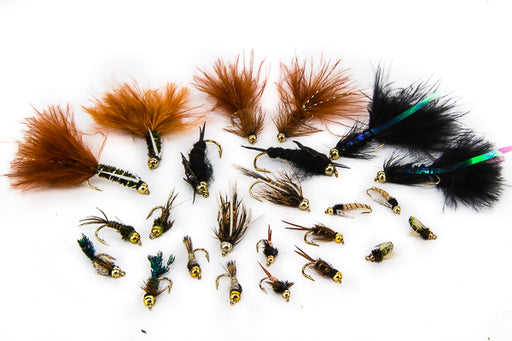
A large stonefly nymph acts as the anchor fly, while a Worm rides behind it as an easy meal. Spring runoff flushes worms and large aquatic insects from the river bottom, making this combination extremely realistic. Worm patterns in particular become highly effective when water is high or off-color because they are easy for trout to see and represent a calorie-dense food source.
Many guides consider Pat’s Rubber Legs paired with a San Juan Worm one of the most productive early-season rigs on Western rivers.
We are into the Jiggy Legs, a jigged, tungsten version of a Pat's Rubber Legs. It gets down quickly in the fast and deep Deschutes River that we love.
How to rig it
-
Point fly: Stonefly nymph (size 6–10)
-
Dropper: Worm patterns (size 10–14)
-
Spacing: 12–18 inches of tippet
Why it works
-
Stoneflies are active early in spring.
-
Worms get washed into the current during runoff.
-
The big nymph provides weight to get the rig deep.
Variant: Stonefly + Egg
When trout are keying on spawning fish (rainbows, whitefish, or suckers), swap the worm for an egg pattern. Eggs are bright attractors and are very visible in high water.
Rig variation
-
Point: Stonefly nymph
-
Dropper: Egg pattern (size 12–16)
This variation often excels in tailwaters or rivers with heavy spawning activity.
2. Copper John + Zebra Midge
(Depth control + tiny food source)


When trout are feeding on smaller insects but still holding deep in spring currents, this combination is deadly.
The Copper John is a heavy nymph that sinks quickly and imitates mayfly nymphs, while the Zebra Midge represents one of the most abundant trout foods in nearly every river. This combo works well because the heavier fly drops the small midge into the feeding lane where trout expect to find drifting larvae. There are dozens of great midge patterns, don't just limit yourself to the old Zebra.
How to rig it
-
Point fly: Copper John (size 12–16)
-
Dropper: Zebra Midge (size 16–20)
-
Spacing: 12–16 inches
Why it works
-
Mayfly nymphs and midge larvae are two of the most common trout foods.
-
The weighted Copper John helps the rig reach the strike zone quickly.
-
The tiny midge matches what trout often eat in early spring.
Variant
Replace the Zebra Midge with:
-
Barr's BWO Emerger
-
Rainbow Warrior
- any other midge nymph pattern
Replace the Copper John with:
This is one of the most versatile nymph rigs you can fish anywhere.
3. Hare’s Ear + Pheasant Tail
(Universal “match-the-bug” combo)


When you’re unsure what trout are eating, this is the safest bet.
Both flies are classic insect imitations used worldwide. The Hare’s Ear represents a wide range of aquatic insects including mayflies, caddis larvae, and scuds. Meanwhile, the Pheasant Tail Nymph is widely considered one of the most reliable mayfly nymph imitations ever created.
Even on modern fly-tying forums, anglers still recommend these patterns as foundational flies that catch trout anywhere.
How to rig it
-
Point fly: Hare’s Ear (size 12–16)
-
Dropper: Pheasant Tail (size 14–18)
Why it works
-
Covers a wide range of mayfly species.
-
Natural coloration and movement trigger strikes.
-
Effective in clear spring water when trout are selective.
Variant
Switch the dropper for:
Final Thoughts
Spring trout fishing is about getting flies deep and showing trout multiple food sources. These three combinations cover the majority of early-season conditions:
Dirty water / runoff
General nymphing
Clear water / matching insects
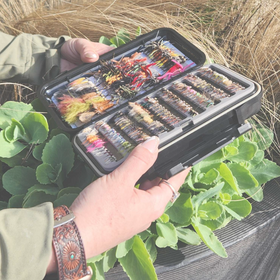
Carry these rigs in a few sizes, adjust weight and depth, and you’ll be ready for nearly any spring trout river.