

Even though typically think of dry flies, nymphs, and streamers first when classifying fly fishing flies. Wet flies are arguably the first style of fishing fly ever tied.
Tied to represent exactly what the name implies a wet fly, they are generally thought to represent an emerging nymph.
When nymphs emerge from their watery habitat to eventually become an adult flying insect, they do so in a variety of ways. It is not an easy transition for the maturing insect, and therefore they are at the mercy of feeding fish. Fish who have learned or know instinctively that this stage, albeit short, of an insect’s life, is when it is at its most vulnerable. Fish are known for being feeding machines, the definition of effiecient. They will not expend more energy chasing food than consuming it. Sometimes thought of as lazy, it is merely a survival mechanism.
Trout can often be viewed lazily slurping bugs in what is called the surface film, the six inches or so of top water. Think of the surface as a magnet for food. Emerging insects do not easily break through this tension to take full flight as an adult. Instead they are likely to be beaten back by the surface, and forced to repeatedly try to break through. Once on the surface, they must contend with wet emerging wings, before taking flight. It is through this process that trout greedily feed on these helpless, vulnerable creatures. And it is more than likely that this timeless event was the motivation of the very first tiers of flies.
It is also important to note how these insects emerge. It is not without action, fish attracting action. Often times with a distinct fluttering motion, often times on air bubbles, often times carried away by the current. These emergers are fighting for nothing more than survival of their species, and they emerge with all their might.
For the fly fisher, this is important to remember because your wet fly needs to act the same way. The wet fly swing is a very common technique. In short it involves quartering through a current, allowing the current to carry your fly much the same way it would carry an emerging insect. Besides fishing currents, back eddies make wonderful stalking grounds when fishing a wet fly, as the tumbling emergers get collected there, fat trout will wait greedily inhaling this smorgasbord.
One thing to remember is that a trout, especially in cold water is not going to take chase to a wet fly. But they can be enticed. One such technique involves stripping your line until you actually place your wet fly right in front of the fish’s nose. Imparting action with your rod tip can help entice your skittish prey; lightly lifting your rod as it swings will help the fish think it needs to react. This technique works well for fish lying in back eddies and seams.
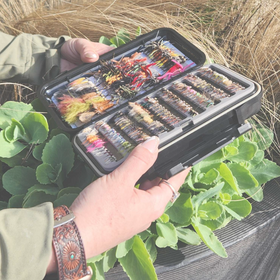
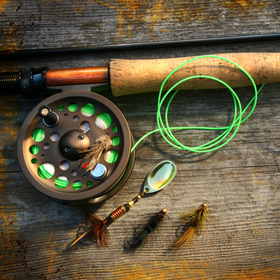
Common wet flies include versions of the most popular fly patterns on the planet. Including Hare’s ears, Adams, Blue Wing Olives, Royal Coachman’s and more. Also popular are soft hackle flies, where a collar of partridge or hen hackle behaves like a breathing, emerging shuck, with a wobble when action is imparted by current or rod tip. Soft hackle flies are probably the very oldest pattern around, and they are still extremely effective. Traditional wet flies differ from nymphs in that they actually have a wing tied on them, the wing acts like an immature wing that fish see from emergers.